

Inside AneeMate co-op survival development: prepare, explore and regroup
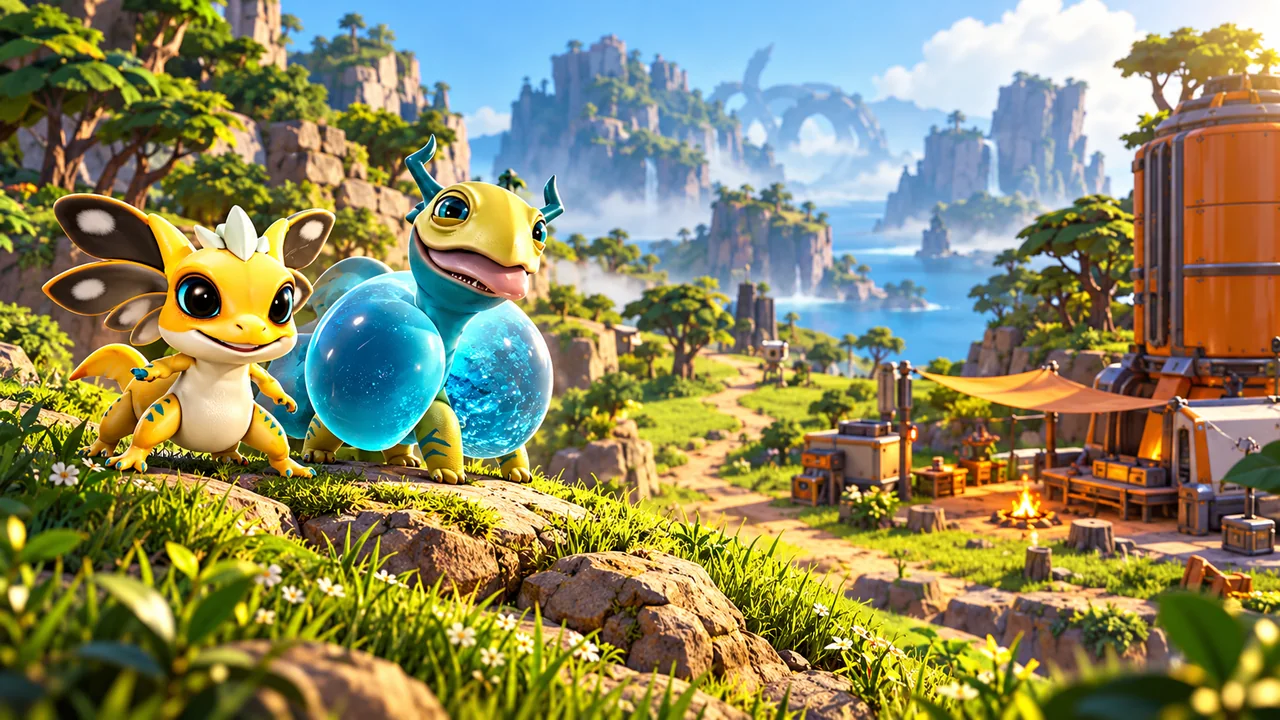
AneeMate's co-op survival development is organised around a shared run: prepare at a camp, explore together, respond to rising pressure and regroup around common needs. The source snapshot reviewed on 20 October 2026 includes separate phases, warnings and shared objectives. This article explains that structure as development work, not as confirmation that the mode is available in every public build.
The distinction matters if you are deciding what to play today. The official player guide explains the publicly documented adventure. A development article describes a particular implementation snapshot and the experience it is trying to support. It should not quietly become a substitute for release notes.
Here we focus on the rhythm of a run. The shared-camp article covers building and supplies, while the solo and co-op comparison explains why the two experiences need different rules for joining and progress.
Why begin with preparation?
A survival session needs a moment in which the group can understand its surroundings. If pressure starts before players recognise the camp or their immediate task, confusion can become the main challenge. That is different from deliberately testing a team's decisions once the rules are understood.
The reviewed run-design code distinguishes an opening calm from the later wave structure. This gives preparation a defined place in the mode. It creates room for gathering, looking around and establishing a shared point of return before the group is asked to respond to more pressure.
That does not mean the final opening duration or difficulty is settled. Tunable values in development are working parameters. A useful test asks whether the group can identify its next action and begin coordinating, rather than simply whether the timer expires correctly. We are not claiming that a packaged playtest has established that result.
Exploration has to compete with staying together
A cooperative run becomes interesting when there is a reason to leave safety and a reason to come back. If nobody needs to travel, the island can become a backdrop. If every useful action requires splitting indefinitely, the camp may stop feeling like a shared project.
The implementation includes shared objectives alongside camp and wave systems. We are leaving story-specific objective details out of this article. The important structural point is that the team has something to pursue beyond surviving another moment, and the route away from camp can affect how prepared it is when pressure returns.
Imagine a group deciding whether to continue exploring or return with supplies. One person has gathered materials, another is low on food and the next warning is approaching. Returning is not automatically the right answer, but the choice connects exploration to the rest of the run. This is an original model example, not a report from a recorded match.
Warnings make pressure something players can read
Surprise can create excitement, but constant unexplained danger makes planning difficult. The source separates warnings, active waves and breaks. It also includes camp alert feedback. Those relationships suggest a run in which players can anticipate a change of pace instead of learning about every threat only after taking damage.
A warning is useful only if it communicates something actionable. A group might decide to return, check supplies or finish a nearby task. If the signal is visually attractive but nobody knows what it means, it has not yet done its job. The eventual build needs to make that relationship clear.
The precise sound, visual treatment and timing should be judged in context. Some players need a readable visual signal; others may miss a cue while looking in another direction. This article is not an accessibility certification or a claim that every alert option is implemented. It identifies why that part of the experience deserves testing.
Breaks create decisions of their own
A break is more than the absence of enemies. It is a chance to change the group's condition before the next challenge. Supplying a camp, returning from a route or checking defenders can all become meaningful if the group has time to understand their effects.
The reviewed structure distinguishes breaks from the fighting phase rather than treating a run as one undifferentiated spawn loop. That allows pacing to be adjusted without rewriting the purpose of every supporting system. It also makes failures easier to discuss: did the team misjudge its needs, or was the next action never clear?
An illustrative team might spend one break returning resources and another preparing to travel farther. The different choice can create variety without adding an unrelated minigame. Whether the real balance produces that variety remains a playtesting question, and the final strategy should follow the released build rather than an early source snapshot.
Shared resources give different actions a common purpose
Cooperation does not require every participant to perform the same action at the same time. A person who gathers food and someone who collects building materials can contribute to the same camp in different ways. The useful connection is visible progress toward a need the group understands.
In the current implementation, food and resources have separate camp roles. That creates a clearer relationship between gathering and use than a single unexplained contribution total. It also gives the interface a responsibility: a player should understand what they deposited and what the camp can now do.
This does not establish fixed player classes or mandatory jobs. The source reviewed for this article does not justify claiming a permanent builder role, healer class or final team composition. Flexible tasks within a run are different from an announced class system.
What changes as pressure rises?
The development structure includes escalation and limits on active enemies. That combination matters because difficulty and performance are related but distinct problems. Increasing pressure should create a readable challenge, while the implementation still needs to control what is active in the world.
We are not publishing internal tuning formulas as final player advice. Numbers can change as a team examines encounter duration, movement, creature behaviour and hardware performance. A formula in a source file also cannot establish a stable frame rate or a fair encounter for different party sizes.
A useful development report therefore connects the system to a question: does the next stage ask the group to make a different decision, or merely repeat the same action for longer? That is an editorial test criterion, not a claim that a particular balance outcome has already been measured.
A run needs an ending players understand
The session lifecycle includes outcomes and a route back from the cooperative world. A player should be able to distinguish a completed objective, an unsuccessful attempt and a connection ending. Those events can have different implications for progress, so a generic return to a menu is not enough explanation.
The source contains separate travel and reward handling, including a record of a run's result. We describe the intended boundary in the mode comparison rather than promise that every inventory item carries over. No exact reward schedule, token return or monetary value is announced here.
The useful goal is that players can explain what happened and what they retain. Testing that requires the actual build, including interrupted sessions and repeated transitions. We have reviewed the code structure for this article; we have not run that full multiplayer validation.
What to watch in the next development update
Look for evidence that the parts work together: joining the same run, recognising the next task, understanding camp contributions and returning with progress handled consistently. A new creature or environment can be exciting, but these ordinary transitions determine whether the cooperative loop is usable.
The AneeMate live-build page provides a view of recorded repository activity. Treat it as a way to follow work, then check the applicable release and build notes for availability. If you participate in an authorised test, report the version, the situation and the observed result rather than simply saying the mode felt broken.
Is co-op survival already released?
This article does not establish a public release. It describes a dated source implementation. Check the current build information before expecting the development systems in your installation.
Is this the same as the solo home-building loop?
No. A temporary shared run and a personal adventure have different responsibilities. Some concepts can be related without making their inventories, buildings or saves interchangeable.
Are the timings and rewards final?
No final timings or reward amounts are promised here. Follow dated updates and current player documentation. For the existing adventure's mechanics, begin with the player guide and use MateBook to explore the creatures themselves.