

AneeMate's creature adventure: catch, become and explore
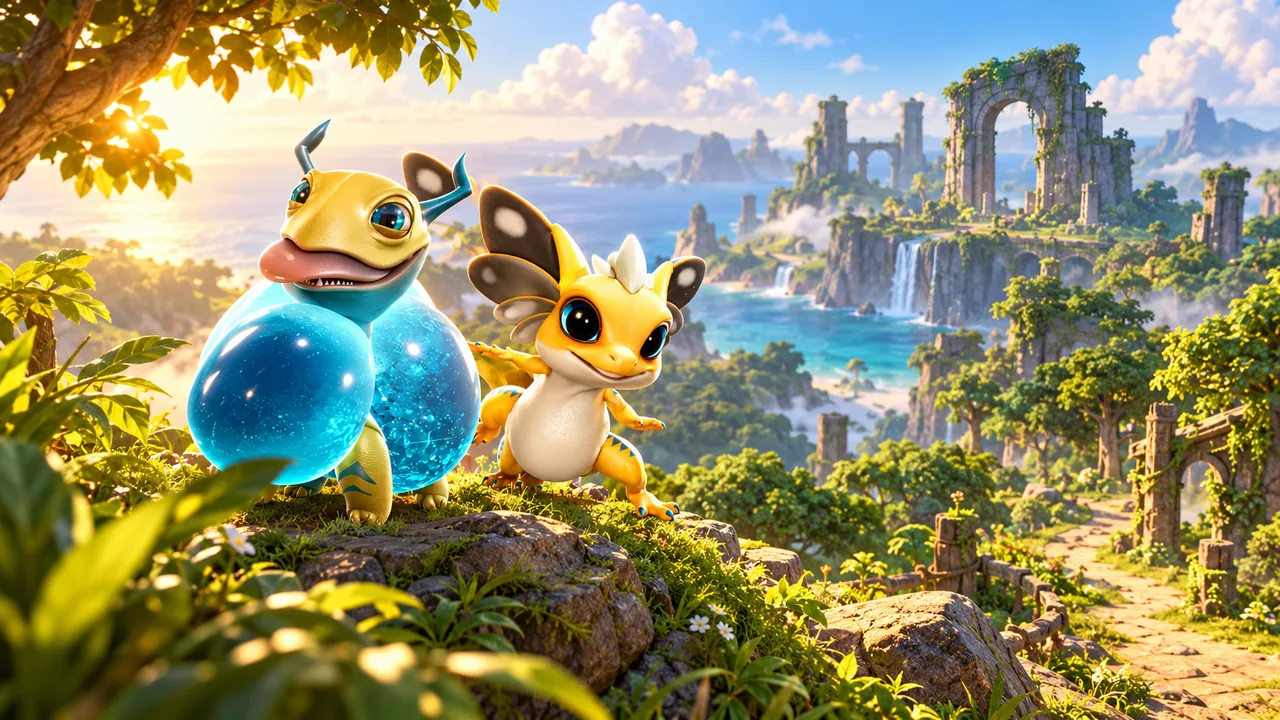
AneeMate is a creature collection adventure in which catching a creature changes how you can play. You explore as a kid with a magic staff, weaken wild AneeMates, catch them with Yipees and switch into the creatures in your party. Building, farming and an evolving island connect those encounters to a longer adventure.
If you want to follow an individual adventure at your own pace, start with those progression systems rather than the optional economy. The Epic listing currently includes online multiplayer and co-op labels, so this article does not establish a separate offline or single-player mode. A wallet is not required to begin. The Epic Games Store listing and the current build provide the place to check availability and platform requirements. The official website describes Early Access as free, with a paid full release planned.
This guide explains the systems documented on the current gameplay page. It is not a hands-on review claiming that we personally completed every quest. Early Access systems can change, so use the guide inside your installed build for current controls and progression.
Your first catch is more than an entry in a collection
A wild AneeMate is an encounter before it is an inventory item. The published catching sequence begins with finding a creature and weakening it. Lower health improves the opportunity to catch, and the guide describes a dazed target as easier to capture. Then you throw a Yipee of the appropriate kind.
This makes preparation meaningful. A player who learns an opponent's attacks and chooses a suitable catching tool approaches the encounter differently from someone who simply throws everything in their bag. Catching and combat become connected decisions rather than unrelated menu actions.
The guide documents a party of three. A catch can join that party when there is space. When it is full, a newly caught creature can wait in its Yipee in your bag, with a risk of losing it if you faint before securing it. That creates a practical reason to consider returning home instead of extending every expedition indefinitely.
For a new player, a useful first objective is modest: learn the catching sequence, understand where the creature went and make sure you can find its card again. There is time to optimise the whole collection later.
Press a key and play as the creature
The defining step comes after the catch. AneeMate lets you become an AneeMate in your party. The guide's default keyboard input is K, cycling through your companions and back to the kid. The form you choose has its own health, moves and elemental identity.
That changes the meaning of collecting. A creature is not only something to display or summon beside you. It can become your way of fighting and moving through the environment. Winged creatures have documented flight controls, while different elemental escape moves contribute to their identity.
The design opportunity is clear: a new catch can make a familiar location feel different. The player's interest in a creature can come from how it moves or what it lets them try, not only from its rarity. That is an interpretation of the system's appeal, rather than a claim that every species provides a unique traversal mechanic.
Before a difficult encounter, look at the party you actually brought. A favourite creature and a useful elemental matchup may be different choices. A party system becomes more interesting when those decisions have room to coexist.
Combat supports catching, progression and exploration
Your staff remains part of the adventure rather than disappearing after the tutorial. The gameplay guide describes staff moves opening through progression, alongside later weapons and elemental interactions. The same basic tool can also gather materials, connecting combat controls to preparing a home.
Elemental matchups give a reason to learn the creatures you meet. The site distinguishes seven attacking elements from Shadow and Sky as secondary elements. Some creatures carry two elements, so a matchup can combine strengths and weaknesses. A short article cannot replace the full chart; the MateBook and gameplay guide provide the better reference.
A readable fight is also a collecting opportunity. Weakening a target without losing control of the encounter, noticing the catching window and choosing the right Yipee form a small loop the player can improve at. The satisfaction should come from understanding the encounter, not from having to inspect a blockchain transaction.
Bosses and progression add longer goals, but new players do not need to optimise all of them immediately. Learning when to heal, switch form or head home is already part of learning the island.
The island changes the questions you ask
The official guide describes day, night and rain affecting which creatures appear. That gives exploration a reason to repeat. A path you visited earlier can be worth another look because the conditions have changed, rather than because the map simply contains more icons.
Regional travel, quests and elemental passages provide different motivations to move. A player may be looking for a species, carrying materials home or following a journal objective. Those activities can overlap without needing to happen at the same pace.
For a single-player session, this structure supports choosing a manageable goal. You might spend the evening learning a route and making one catch rather than treating every session as a race to maximum progression. The value of an open adventure is partly the ability to decide what matters next.
The website documents a map, travel beacons and a home location. Use those systems before an expedition becomes confusing. An interesting island still needs clear orientation, and knowing how to return is part of being able to explore confidently.
A home gives the expedition somewhere to end
Catching is only one part of the larger loop. The materials you gather can support building, farms can supply food, and food contributes to caring for and developing AneeMates. A home turns separate activities into a repeatable route through the game.
The official guide describes stored home items as safe when the player faints, while carried bag contents face different consequences. That distinction gives returning home a practical purpose. It also makes a small, readable camp valuable before the player has built anything elaborate.
Our home-building guide explains how the builder, storage, farms and crafting connect. If the catching adventure is the outward journey, the home loop is where the results become preparation for the next one.
Cinematic moments and the experience you actually play
AneeMate's promotional footage can introduce its atmosphere, but the product should be judged through gameplay too. The official homepage distinguishes footage from the build from other promotional material. A cinematic moment can communicate a world without proving the availability of every mechanic shown around it.
For players who enjoy making their own images, the documented photo mode provides a concrete feature to explore. The guide describes camera controls, filters and the ability to freeze time for framing. That supports creature portraits, locations and short visual stories without requiring us to promise an unannounced cinematic campaign.
A well-framed screenshot can also make progress personal. A first catch, a favourite place or a camp after a building session can be worth remembering even when it has no marketplace value. This is a creative use of a documented tool, not a promise of a dedicated film editor or replay system.
The optional economy belongs after the adventure
MATE is the game's earned currency. $QORPO has separate optional uses described in the current product pages. Beginning the adventure does not require a token purchase, and collecting creatures through play should not be confused with acquiring a tradeable minted asset.
Our packs and player ownership explainer separates pack purchases, minting, the planned player market and creator rewards. It is the next read if you want to understand that layer. You can also stay focused on the ordinary game experience.
Questions before your first session
Is AneeMate only about opening packs?
No. The documented game includes exploration, combat, catching, becoming your creatures, building, farming and crafting. Packs are a separate optional product, not a substitute for describing the adventure.
Does this article promise offline play or a finished campaign?
No. A single-player-focused journey does not establish offline availability or a final campaign scope. Check the current store listing and build requirements for connectivity and mode details.
What should I try first?
Start with the game, make a first catch and try becoming it. Then return to the gameplay guide when a particular system becomes relevant. Let the island give you a reason to learn the next thing.